Brick Fell From Your Building? Who Do You Call First?
In this guide
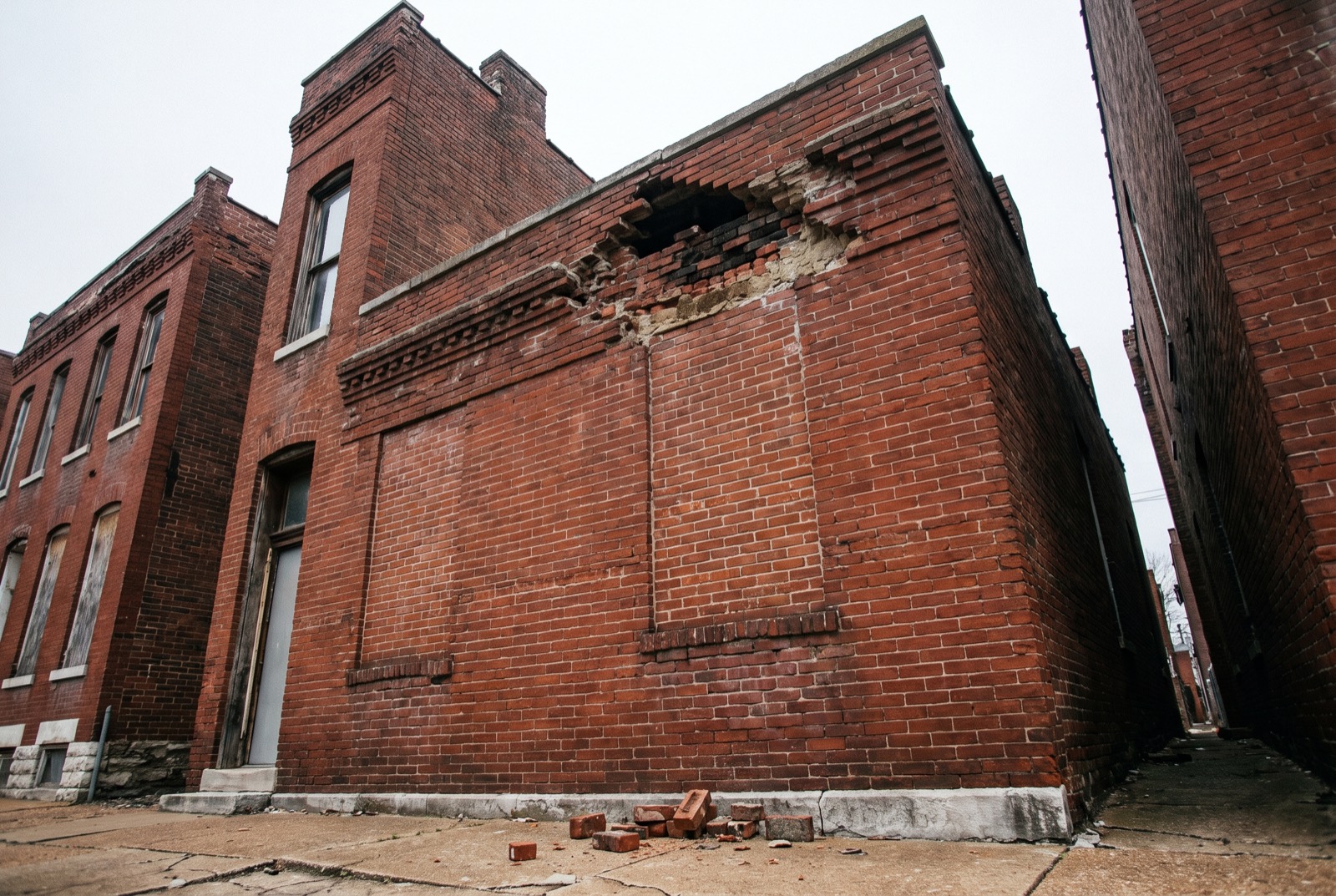
Start by keeping people and vehicles away from the area below, and leave what fell where it landed. Then call for help in this order: emergency services if anyone is hurt, the building office for your address, your insurer, and an engineer who can say why it fell and what else is at risk.
Dealing with a fall right now? Read how our cornice inspection works.
What should an owner do in the first hour?
Protect people first. The piece that came down may not be the only loose one, so the sidewalk or entrance beneath the rest of the cornice is still unsafe. Cone it off, redirect foot traffic, and tell tenants to use another door.
Do not climb up, lean out or pull at the remaining masonry to see what else moves. Do not sweep the debris away or hire the first crew that offers to clear it. The pieces on the ground show an engineer what failed and how. Our partner guide on what to do when something falls from a building walks through the same steps.
What can you safely document?
From a distance, take photographs of the debris, the gap it came from and any damage to cars, awnings or neighboring property. Note the date, the time and the weather. Write down who noticed it and when.
Stay out of the fall zone for a better angle. A photograph from across the street is enough.
Who should you call, and in what order?
Think of it as four calls, each answering a different question:
- Emergency services if anyone is hurt or material is still coming down.
- The building office for your address, to ask what applies to protecting or closing a sidewalk.
- Your insurer, because many policies have notice requirements that are easy to miss.
- An engineer, to determine the cause and the extent of what needs to be secured.
A contractor may be needed soon for temporary protection. Permanent repair should wait for a diagnosis, otherwise the work may fix the wrong thing.
Why does a written engineering assessment matter?
Because a fall raises questions that other people will ask later: what caused it, whether anything else is at risk, and what was done about it. An engineer's written assessment records the condition of the cornice and the wall behind it on a specific date, in plain terms, by someone licensed to give that opinion.
That record helps you decide what to secure now, gives a contractor a defined job to price, and gives your insurer or the city something concrete to read. A fallen masonry assessment is built for exactly this situation.
Who is responsible for the damage?
That is a legal and insurance question, and we cannot answer it. Responsibility depends on the facts, the ownership and lease arrangements, and the policies involved. Take liability questions to an attorney or to your insurer.
What an engineer can do is establish the physical facts: what failed, why it likely failed and what condition the remaining masonry is in. Those facts are what the attorney or insurer will need to start from.
What happens after the area is safe?
The assessment typically leads to a recommendation. That might be securing specific sections, a wider look at the cornice and parapet, or a written plan for repair. If a plan is needed, the cornice repair scope turns the findings into something contractors can bid against evenly.
If your building is in a historic district, ask the city's historic-preservation office what applies before permanent work begins.
Where do you go from here?
Make the area safe, document it from a distance and make your calls. Then read about our cornice inspection service and send the address and photos so an engineer can start on the cause.
Need help with a property requirement?
Tell us what your lender, insurer, or project team needs so we can discuss your next step.