Cornice & parapet inspection for old St. Louis buildings.
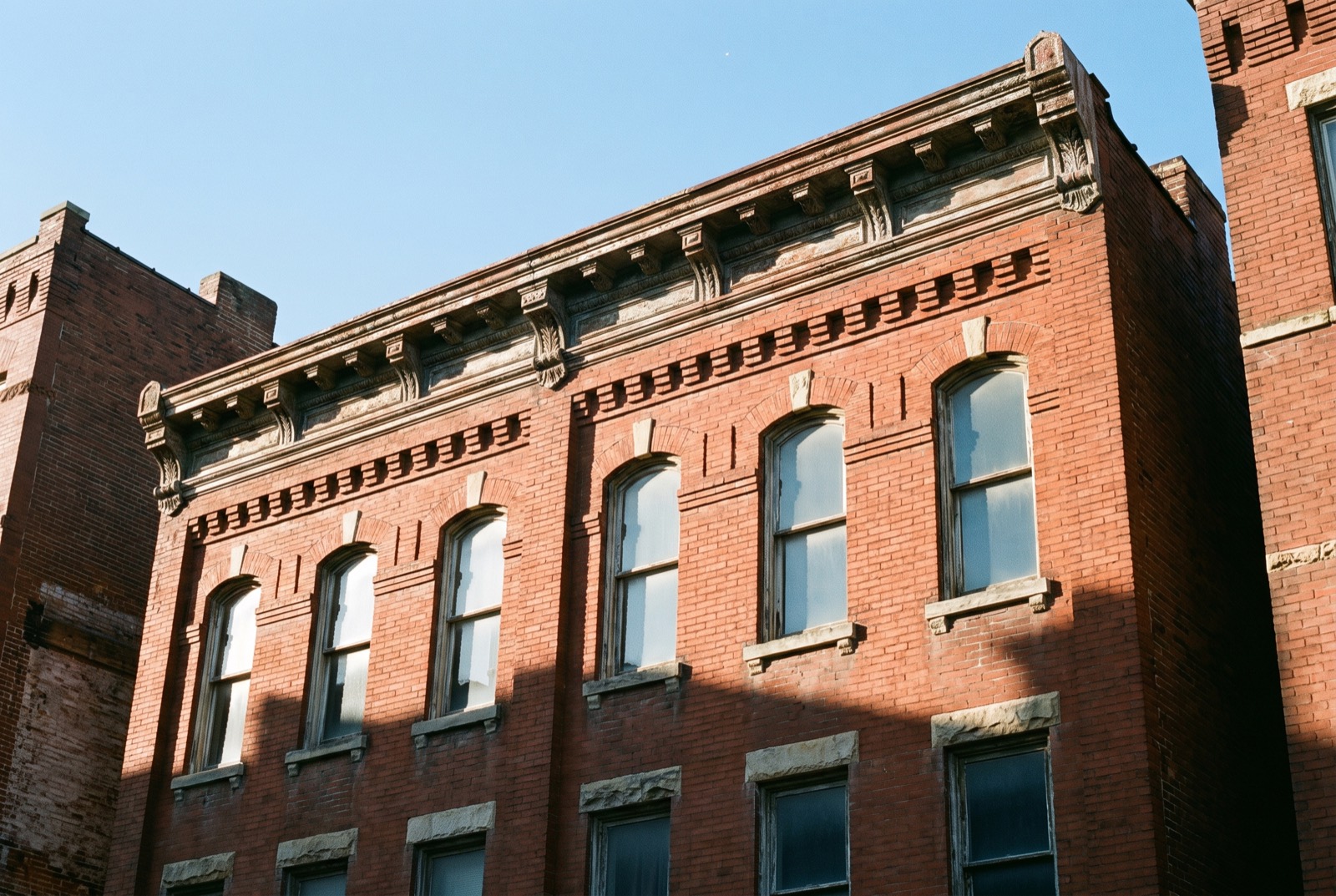
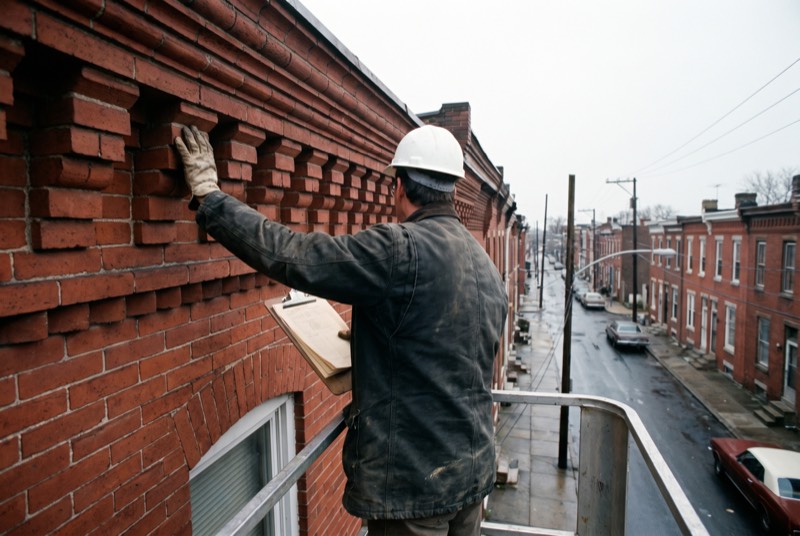
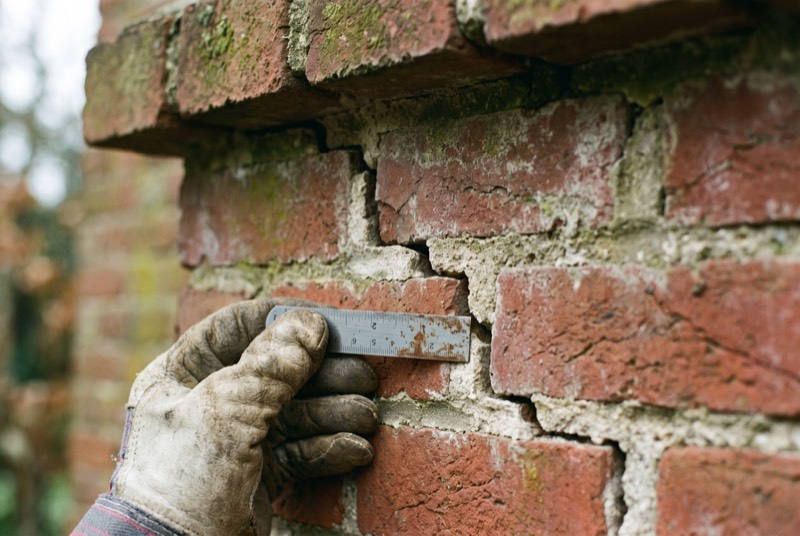
The masonry at the top of an old brick building takes a century of weather and gets no attention until something cracks, leans, or falls. Our P.E. inspects the cornice, the parapet, and the wall behind them, then puts what is sound, what is not, and what to do first in writing. The full service lives at stlcornice.com.
An independent look before anyone bids.
A cornice is held to the building by mortar, steel anchors, or wood blocking that cannot be seen from the street. The inspection covers how it is attached and what water has done behind it. We do not sell repairs, so the report says what the work has to achieve and every contractor prices the same scope.
Five ways to start
Each one ends with our P.E. putting what was found, and what to do about it, in writing.
Cornice condition assessment
Cracks, a lean, open seams, or rust stains: what is sound, what is deteriorating, and what is urgent.
Fallen masonry assessment
Something came down. What failed, what else is loose, and what has to be made safe now.
Parapet and chimney evaluation
The walls above the roof line, which weather fastest. Repoint, brace, or rebuild.
Repair scope for bids
One written scope so every mason and sheet-metal shop prices the same repair.
Review before you buy or sell
What the top of the facade needs, while the price can still be negotiated.
Read first
Guides on failing cornices, fallen brick, parapets, and who to call before a contractor.
Worried about what is up there?
Send the building address and a few photos taken from the ground. Do not climb or pull at anything loose. A licensed engineer replies within one business day.