What Does a Residential Structural Engineer Do?
In this guide
A residential structural engineer works out what is holding a house up and whether it is doing its job. They investigate a condition such as a crack, a sagging floor or a wall someone wants to remove, explain the cause, and say what a correct repair or change would involve. Where a lender, insurer or building department needs it in writing, the engineer signs and seals a letter or report.
Have a question about your house? Describe it and send the address. A photo of the condition and the wording of any request you received are the best place to start.
When do you need one?
You need one when the question is how the house is supported: whether a crack or a sagging floor matters, what a wall carries before it comes out, or what a lender, insurer or permit office wants in a sealed document. Most calls start with one of these:
- A crack, a sloping floor or a door that sticks, and you want to know whether it matters.
- A home inspector recommended "further evaluation by a structural engineer" during a purchase.
- A wall you want to open up, and nobody is sure what it carries.
- A lender, insurer or building department asking for an engineer's letter or a sealed report.
- A manufactured home that needs a foundation certification for a loan, or a structural report after a move.
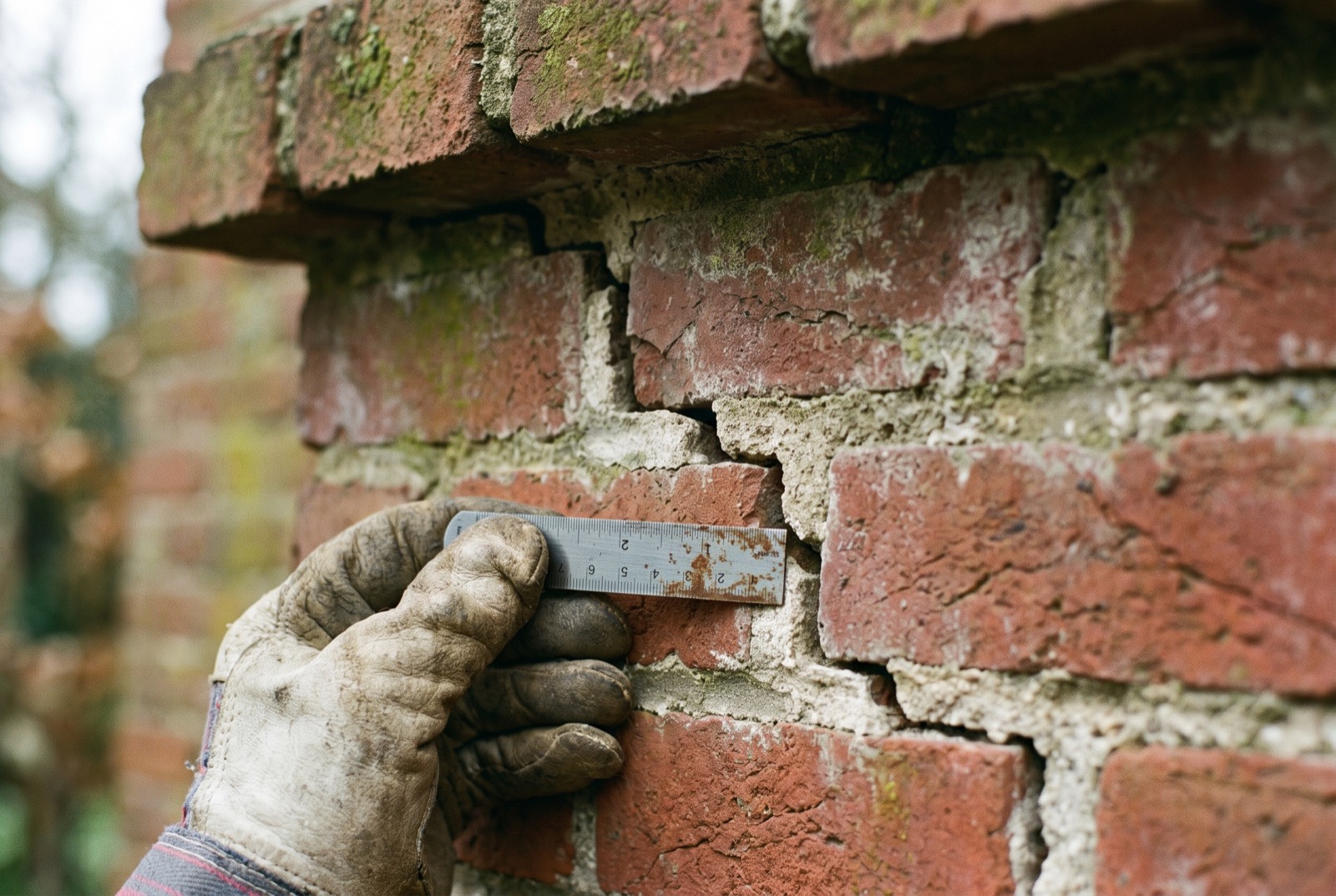
- An older brick building with a cornice, parapet or wall that is coming apart.
If the question is about how the house is supported, it is an engineering question. If it is about the condition of the roof covering, the furnace or the finishes, a home inspector or a trade contractor is usually the right call.
What does the engineer actually do?
The engineer visits the property, looks at the condition and the structure around it, and follows the load down to the ground: what sits above the problem, what carries it, and what is underneath. Then they write down what they found and what it means.
What you get back depends on what you asked for:
| You asked for | You get |
|---|---|
| An opinion on a condition | A signed letter or report that explains the cause and whether it needs work |
| A document for a lender, insurer or permit office | A sealed report addressed to the question in their request |
| A wall removal or other change | Confirmation of what the wall carries, and design of the replacement support if it needs one |
| A manufactured home foundation certification | A sealed certification, or a report explaining why the foundation does not meet the request yet |
The engineer does not carry out the repair. Our guide to structural repair versus a structural engineer explains why the diagnosis should come before the crew.
How is that different from a home inspector?
A home inspector reviews the accessible systems of the whole house against an inspection standard. A structural engineer goes deeper on one structural question and puts a professional license behind the answer. Engineers are licensed by each state after passing exams written by NCEES, and the seal on a report ties it to that license. Both can be useful in the same purchase. Structural engineer versus home inspector covers when you need which.
What work is outside a residential practice?
A residential structural practice is set up for houses and small residential buildings. Being engineer of record on a large commercial project, with construction-phase engineering through the build, is a different kind of practice. If that is what your project needs, we will tell you rather than take the work.
What should you send first?
- The property address and the type of building.
- A short description of the condition or the change you have in mind.
- Photos taken from where you can safely stand.
- Any request you received, copied word for word: an inspector's note, a lender's condition, an insurer's letter.
- Existing drawings, reports or repair records, if you have them.
- Your deadline, if there is one.
You do not need to open a wall or dig before asking. Describe what you can see, and the engineer will say what else is needed.
Where does Scapular work?
Scapular Engineering is a residential structural practice based in St. Louis, licensed in Missouri, Arkansas, Illinois, Kansas, Iowa, Nebraska and Indiana. See the full list of services, or send your question and we will confirm the scope before anything is scheduled.
Have a structural question?
Describe the concern or proposed change and include your property address.